
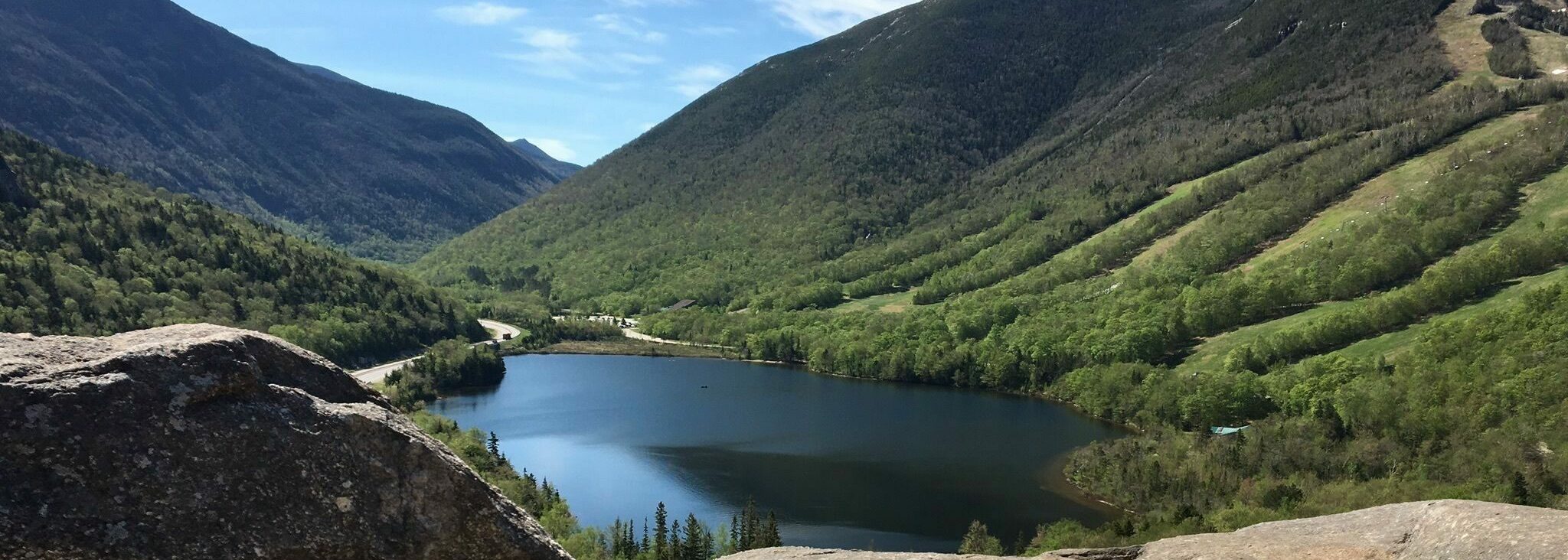
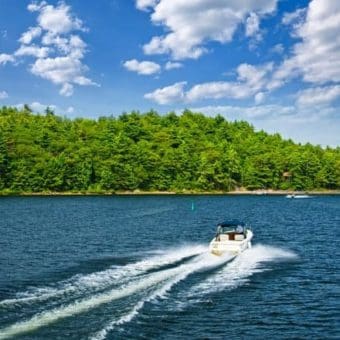
New Hampshire’s lakes are at the heart of what makes this state special. They’re places for early morning paddles, family boat rides, fishing trips, and watching loons at sunset. For many of us, time on the water is more than recreation—it’s tradition.
Keeping our lakes healthy means being thoughtful about how we use them. That’s where lake-friendly boating comes in.
At NH LAKES, we think of lake-friendly boating as built on five key pillars—simple, practical ways every boater can help protect the waters we all love.
Every Boat. Every Lake. Leave No Trace.
Pillar 1: Protect Water Quality
New Hampshire’s lakes are naturally clean and low in nutrients—but that balance is fragile.
When pollutants like fuel, trash, or excess nutrients enter the water, they can trigger problems like cyanobacteria blooms. These blooms can be toxic, harm wildlife, impact drinking water, and shut down swimming areas.
The good news? Small actions make a big difference.
While you’re on the water:
- Prevent fuel and oil spills—refuel carefully and never top off
- Keep engines well-maintained
- Use absorbent pads when fueling
- Clean up spills immediately
Choose cleaner options:
- Use four-stroke or electric motors when possible
- Maintain exhaust systems
Handle waste responsibly:
- Never discharge sewage into the lake
- Use pump-out stations
- Pack out everything you bring in
- Properly dispose of fishing line and tackle
Reduce runoff:
- Avoid washing boats with soap in the lake
- Use phosphate-free products
Clean water supports everything—from swimming and fishing to property values and the overall lake experience.
Pillar 2: Stop the Spread of Aquatic Invasive Species
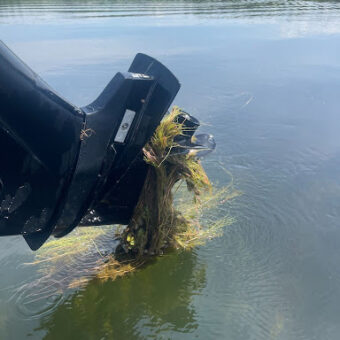
Aquatic invasive species like milfoil, zebra mussels, and spiny waterflea can dramatically change a lake—and once they’re established, they’re extremely difficult to remove. Boaters play a critical role in preventing their spread.
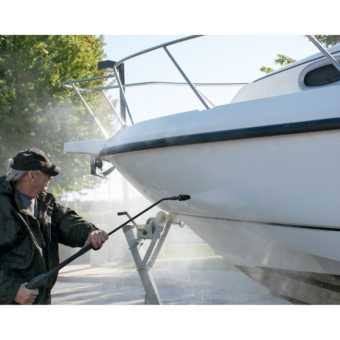
Clean. Drain. Dry. Every time before launching and after coming out of the lake.
Before and after every trip:
- Clean off plants, mud, and debris
- Drain all water from your boat and equipment
- Dry everything before entering another lake
If your boat has ballast tanks or bags:
- Fully drain them between lakes
- Follow manufacturer’s flushing recommendations
- Remember: even microscopic organisms can hitch a ride
Every launch is a chance to protect the next lake.
Pillar 3: Protect Shorelines and Lake Bottoms
Shorelines and lake bottoms are some of the most important—and most vulnerable—parts of a lake. They help filter pollutants, prevent erosion, and provide critical habitat.
But boating too close to shore or in shallow water can stir up sediments, damage habitats, and accelerate erosion.
Why distance and depth matter
Boat wakes and propeller wash can:
- Erode shorelines
- Resuspend sediments (releasing phosphorus into the water)
- Damage aquatic habitats
Giving both distance from shore and adequate depth under your boat helps reduce these impacts.
What to keep in mind:
- Stay at headway speed within 150 feet of shore (state law)
- Operate in at least 10 feet of water when cruising
- Larger, heavier boats should go farther out and into deeper water
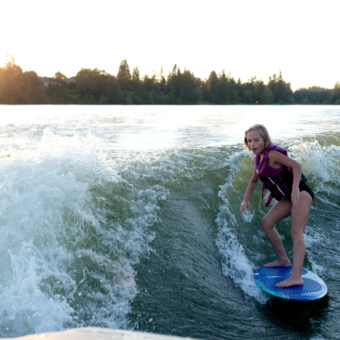
For wakesports:
- Industry recommendation: at least 200 feet from shore
- NH LAKES recommendation: 500 feet from shore and 20+ feet deep
Use maps to your advantage
New tools and lake maps can help you:
- Identify shallow areas
- Find deeper-water routes
- Match your activity to the lake’s shape and depth
👉 Learn more about shoreline and depth setbacks. Explore the interactive Lake-Friendly Boating Map here.
Additional tips:
- Avoid anchoring in vegetation
- Use designated moorings
- Trim motors in shallow water
- Avoid dragging paddlecraft through plant beds
Pillar 4: Respect Wildlife
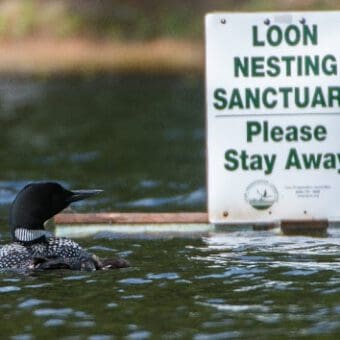
New Hampshire lakes are home to incredible wildlife—fish, turtles, eagles, otters, and the iconic loon. While loons are a conservation success story, they remain vulnerable to disturbance.
Boating impacts wildlife in ways we don’t always see—from nest flooding caused by wakes to stress from close human interaction.
Wildlife-friendly practices:
- Slow down near shorelines and coves, especially May–July
- Stay at least 150 feet from nesting birds and chicks
- Never chase or circle wildlife
- Follow posted signage
Healthy lakes need quiet spaces where wildlife can rest, feed, and raise their young.
Pillar 5: Protect Native Aquatic Plants
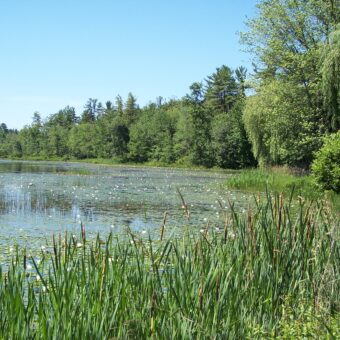
Aquatic plants aren’t just “weeds”—they’re essential to a healthy lake.
They:
- Stabilize sediments
- Improve water clarity
- Provide fish habitat
- Compete with invasive species
- Help absorb wave energy
Boating through vegetation can damage these systems.
Simple ways to help:
- Avoid dense plant areas
- Lift propellers in shallow water
A Balanced Approach to Boating
New Hampshire’s lakes support all kinds of recreation—waterskiing, wakesurfing, paddling, fishing, sailing, swimming, and wildlife watching.
Lake-friendly boating is about balance.
It means:
- Matching your activity to the lake’s size and depth
- Recognizing that smaller or shallower lakes are more sensitive
- Sharing the water respectfully
- Thinking long-term about lake health
Because protecting our lakes today ensures they’re here for the next generation to enjoy.
Every Boat. Every Lake. Leave No Trace.