
Tips for Lake-Friendly Snow Storage and Removal
Plan your snow storage to protect your property, septic system, and lake!
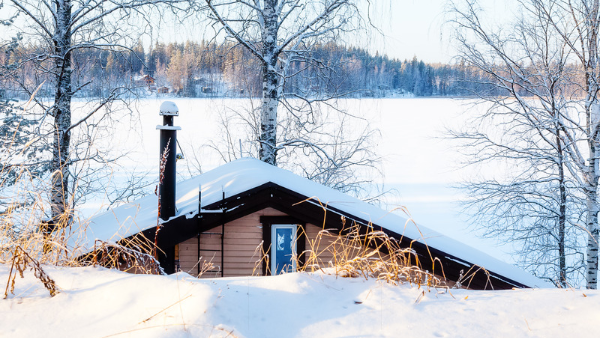
Did you know that improper snow storage and removal practices can damage lake quality? Snow from parking areas and roadways carries salt, sand, debris, and contaminants from cars. Choosing a safe location to store your snow is an important part of protecting rivers, lakes, and drinking water, too!
Landowners are responsible for the snow removal practices that are conducted on their property. Here are some tips that will help you protect the quality of your local lake while allowing you to “dig out” after the snowstorms that are surely headed our way.
- Designate an area large enough for a whole winter’s worth of snow. Or, you could have multiple smaller areas. It’s better to have too much space than not enough when big storms hit! Choose an area or areas:
- Free of infrastructure that could be damaged by the weight of snow piles or flooding from snowmelt, such as the leach field of your septic system or the foundation of your home.
- Away from waterways, wetlands, and storm drains.
- 75 feet or more away from private wells and 200 feet or more away from public wells to protect drinking water recharge areas.
- Away from septic tanks and leach fields to ensure that the weight of the snow and snowmelt do not damage your septic system or its ability to process wastewater.
Be ready to treat the meltwater! Pick an area, or plant one, with plants that can tolerate the weight of the snow and any contaminants the snow may contain, such as salt and sand.
- Road salt and other deicing materials can be toxic to many of our native plants. Use Native Plant Trust’s Garden Plant Finder to see what native plants are salt- and sand-tolerant.
- Salt-tolerant plants include:
- Shrubs: dogwood, blueberry, serviceberry, chokecherry, winterberry, and summersweet
- Perennials: solomon’s seal, yarrow, milkweed, sweet fern, joe-pye weed, mountain mint, goldenrod, asters
- Grasses: bluestem, prairie dropseed, switchgrass
- Encourage your town to adopt lake-friendly snow storage practices, too! Snow plowed from roads and parking lots can contain road salt, sand, sediment, trash, and other pollutants. When that snow melts, these pollutants can wash into nearby lakes and streams or seep into groundwater. Towns can become Green SnowPro Certified by NHDES, which includes training on snow storage and winter road maintenance leading practices.
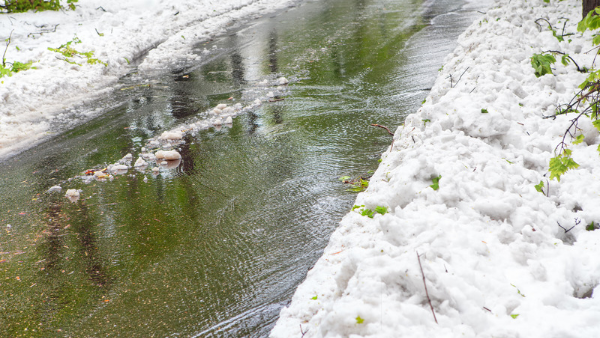
Encourage your town to adopt lake-friendly snow storage practices, too! Snow plowed from roads and parking lots can contain road salt, sand, sediment, trash, and other pollutants. When that snow melts, these pollutants can wash into nearby lakes and streams or seep into groundwater. Towns can become Green SnowPro Certified by NHDES, which includes training on snow storage and winter road maintenance leading practices.