

Healthy Septic Systems Mean Healthier Lakes

Your septic system plays an important role in protecting your home, your property, and the health of New Hampshire’s lakes. When septic systems aren’t working properly or are outdated, nutrients, bacteria, pharmaceuticals, and other pollutants can seep into groundwater and eventually into nearby lakes and rivers. These pollutants can contribute to water quality problems, including potentially toxic cyanobacteria blooms. And, of course, no one wants to deal with a septic system backup!
Whether you live along a lake, near a stream, or farther inland, taking care of your septic system is an important part of being a good steward of your property and protecting the waters you love.
How Septic Systems Work
A traditional septic system has two main parts: a septic tank and a leach field.
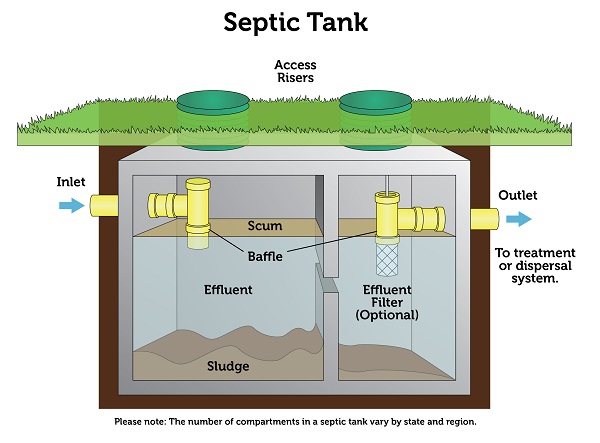
The septic tank holds wastewater from the home and allows solids to settle while partially treated wastewater flows into the leach field. The leach field disperses this wastewater throughout the area, where it filters through the soil, and natural processes continue to break down and treat contaminants.
A properly functioning leach field depends on the soil’s ability to absorb and treat wastewater. When the soil becomes saturated with snowmelt, rain, or floodwater, it has less capacity to absorb additional wastewater. This can cause a leach field to malfunction, allowing contaminants and pathogens to reach groundwater and nearby lakes and rivers. In severe cases, wastewater can back up into the home.
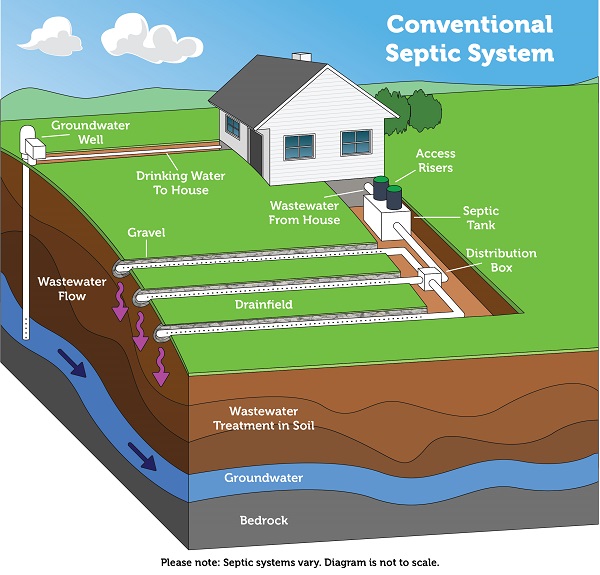
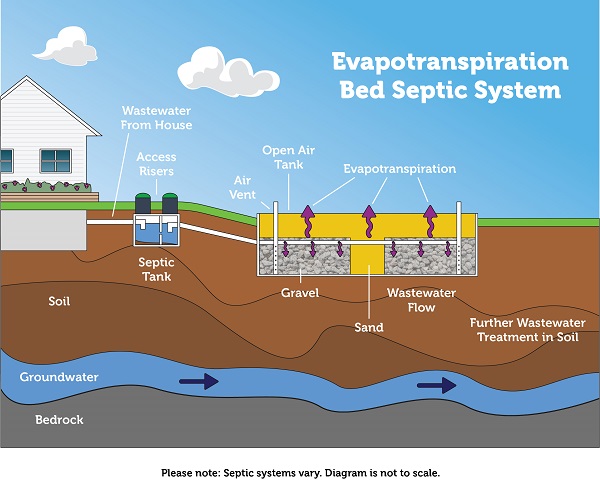
Photos courtesy of the United States Environmental Protection Agency
Regular Inspections and Maintenance Are Essential
Did you know a septic system pump-out and an inspection are two different events?
A septic pump-out removes accumulated solid waste, sludge, and scum from the tank. The size of the septic tank and how often the system is used determine how often it should be pumped.. A septic professional can recommend an appropriate schedule.
A thorough inspection by a licensed septic professional covers the entire system, including the tank, baffles, pipes, and leach field. Regular inspections can identify problems before they become costly emergencies. The best practice for a standard septic system is to have a licensed professional conduct an inspection every one to three years.
If you have a septic system, regular inspections and maintenance can help:
- Shield your family, home, and wallet from septic system backups or other system failures.
- Protect your property value.
- Keep excess nutrients, bacteria, and other pollutants out of groundwater and lakes.
- Help your system better withstand snowmelt, heavy rain, and flooding.
Don’t wait until something goes wrong to call a professional! If your system isn’t already on a regular maintenance schedule, contact a septic professional early to secure a spot on their schedule. Need help finding a professional? Use the Granite State Onsite Wastewater Association’s Find a Professional tool.
Need a new or replacement system? The New Hampshire Department of Environmental Services (NHDES) regulates the design, installation, repair, and replacement of septic systems. The location of your septic system, especially within 250 feet of the lake, and the type of system you’re planning to install may have different requirements. Before beginning work, check New Hampshire’s permitting requirements through NHDES.
What Happens Above Ground Matters, Too
Septic care isn’t just about what happens underground. What you put down the drain—and how you care for your septic system and leach field—can make a big difference in how well the system works, how long it lasts, and the health of nearby lakes and waterbodies.
Caring for Septic Systems
If you have a septic system:
- Schedule regular inspections and pump-outs as recommended by a licensed septic professional.
- Know where your septic tank and leach field are located and keep them accessible for inspections and maintenance.
- Keep your leach field healthy by planting non-woody, shallow-rooted plants, such as grass or wildflowers. Mow at least once a year to keep woody vegetation from becoming established.
- Keep the tank and leach field accessible for inspections and pump-outs.
- Prevent damage to your septic system by keeping vehicles, pavement, structures, and other heavy loads off the tank and leach field.
Be Water-Wise
Your septic system needs time to process wastewater. Simple water-saving habits can help it keep up:
- Space out laundry and dishwashing loads rather than doing them all at once.
- Promptly repair leaking faucets and fixtures inside your home.
- Use low-flow plumbing fixtures.
- Turn off the water while brushing your teeth or shaving.
Keep Drains Septic-Friendly
Your septic system relies on natural biological processes to treat wastewater. Help those processes work effectively by:
- Flushing only human waste and toilet paper.
- Disposing of household chemicals, paint, pesticides, solvents, fats, oils, and grease through appropriate disposal programs.
- Choosing septic-safe ways to dispose of food scraps, such as composting, can reduce the amount of solids entering your system. Just make sure your compost isn’t too close to the lake.
- Properly disposing of pharmaceuticals instead of flushing them. Use the DEA’s search tool to find a medication disposal location near you.
Plan for Large Gatherings
Hosting a party or other large gathering? Rent a portable toilet to reduce the extra wastewater your septic system needs to handle. It’s an easy way to give your system a break while making things more convenient for your guests.
Know the Warning Signs
Regularly monitoring your septic system can help you catch problems before they become serious. Contact a licensed septic professional if you notice:
- Toilets are draining slowly or flushing differently than usual
- Water backing up into floor drains or other areas of your home
- Unpleasant odors around your septic system
- Unusually wet or soggy areas near your tank or leach field
- Standing water or wastewater surfacing in or around the leach field
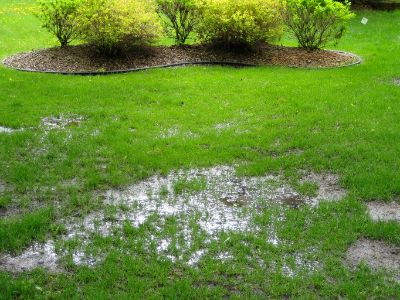
A little care above ground can go a long way underground—and help protect the lake you love.
Make Septic Care Part of Your Lake-Friendly Living Plan
You can help protect the lake you love by taking care of your septic system. Through the LakeSmart Program, NH LAKES provides personalized recommendations to help you care for your septic system and make your property more lake-friendly.
LakeSmart properties help protect lake health while supporting recreation, property values, and wildlife habitat. Learn more about LakeSmart.